
Few drinks feel as instantly comforting—and as deceptively technical—as a proper Irish Coffee. Done well, it’s a study in layers: robust, sweetened coffee and warming Irish whiskey, topped with a floating cloud of cream you sip through, not stir in.
This classic has traveled from a windswept Irish terminal to bars around the world, yet its best version remains wonderfully simple. Master a few key decisions—coffee strength, sugar choice, cream texture, and whiskey style—and you’ll make an Irish Coffee that tastes like the original inspiration: warmth, balance, and a little glow.
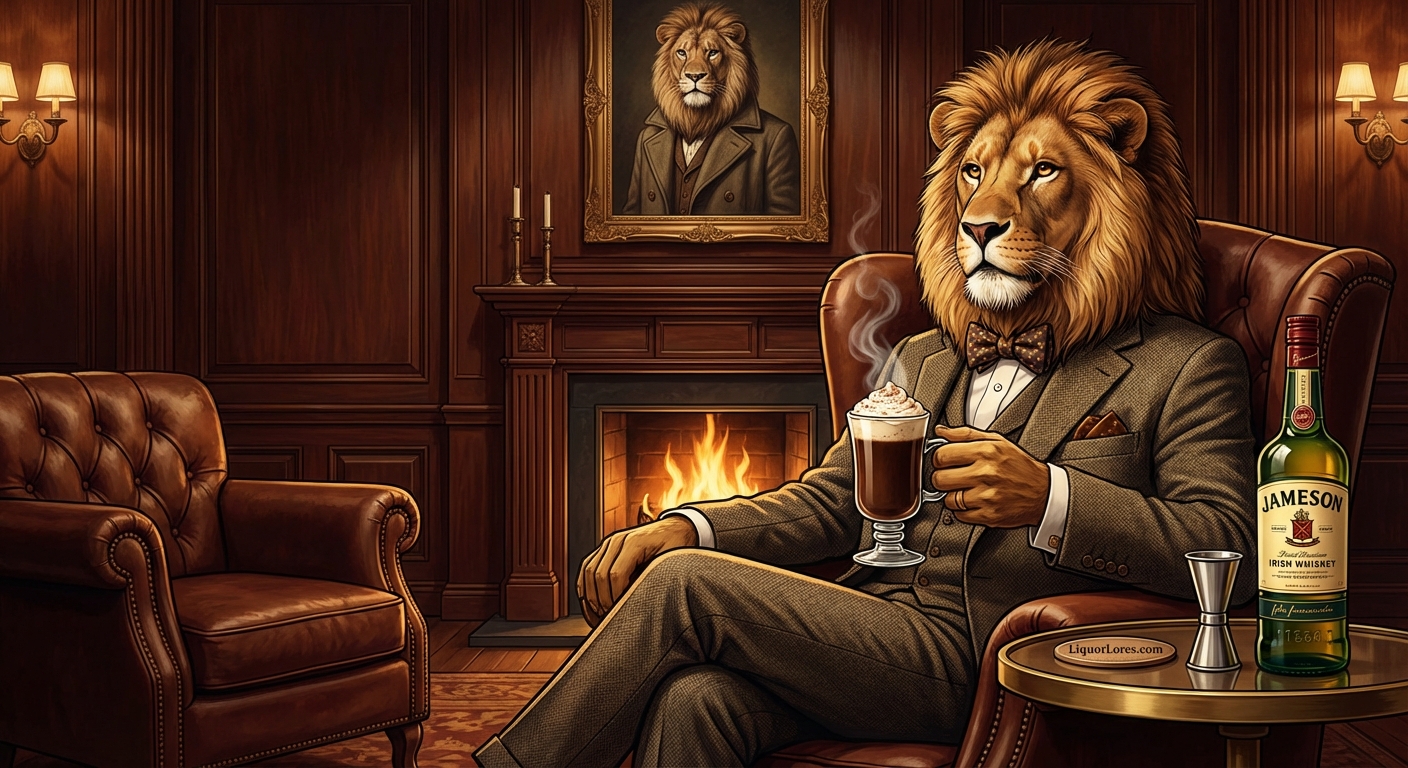
What Is Irish Coffee?
Irish Coffee is a hot coffee cocktail made with Irish whiskey, sugar, and a layer of lightly whipped cream that sits on top. The goal is contrast: hot and cool, bitter and sweet, rich and bright—without turning the drink into a creamy latte.
At its best, Irish Coffee is not “coffee with whiskey.” It’s a composed cocktail where each component has a job: coffee brings structure, whiskey brings depth, sugar rounds bitterness, and cream adds aroma and texture with every sip.
1. The Essential Flavor Profile:
A classic Irish Coffee should taste like coffee first, with whiskey’s malt and honey notes expanding in the finish. Sweetness should be present but restrained, and the cream should be lightly sweet (or not sweetened at all), acting as a silky cap rather than a blended ingredient.
2. The “Float” Is the Point:
The signature is the cream float. When properly whipped and poured, it forms a distinct layer you drink through. If the cream sinks, over-whips, or the coffee isn’t hot enough, the drink loses its defining texture and presentation.
The History and Rise of Irish Coffee
Irish Coffee traces its modern origin to Ireland in the 1940s, when a warming, spirited coffee was served to travelers in cold weather. The combination of hot coffee, Irish whiskey, and cream quickly proved memorable—easy to love, hard to forget.
As it spread internationally, Irish Coffee became a staple of hotel bars and cocktail lounges, especially in the mid-century era when comfort drinks and after-dinner classics reigned. Today it’s enjoying a renewed spotlight thanks to specialty coffee culture and a broader appreciation for Irish whiskey’s range.
1. Why It Became a Global Classic:
Irish Coffee sits at the intersection of everyday ritual and celebration. Coffee is familiar; whiskey adds ceremony. It’s also flexible: it can be bracing and strong, or gently sweet and dessert-like—yet still unmistakably itself.
2. The Modern Renaissance:
Contemporary bartenders treat Irish Coffee like a hot cocktail with standards: measured ratios, intentional sugar, and cream texture. Meanwhile, distilleries offer Irish whiskeys from light and approachable to richly aged, making the “best whiskey” question more interesting than ever.
What Makes Irish Coffee Special?
Irish Coffee is special because it’s a temperature-and-texture cocktail. Many drinks rely on dilution and chilling; Irish Coffee relies on heat retention, aromatic lift, and that first sip through cool cream into hot coffee.
It’s also a rare cocktail where small technique choices create a dramatic difference—especially in the cream, the coffee strength, and the sweetness style.
1. Contrast, Not Creaminess:
The drink should not be uniformly creamy. Instead, the cream acts like a soft “lid” that perfumes the coffee and whiskey as you sip, delivering richness without muting the spirit.
2. Whiskey-Forward Warmth:
A good Irish Coffee highlights Irish whiskey’s hallmark smoothness—often featuring honey, vanilla, orchard fruit, and gentle spice. Choose a whiskey that complements coffee’s roast rather than fighting it with heavy smoke or sharp oak.
Classic Irish Coffee Recipe (The Method That Works)
The classic build is straightforward, but precision matters: preheat the glass, dissolve the sugar fully, and float cream that’s whipped to the right thickness—soft, pourable, and cohesive.
| Step | Description |
| Ingredients (1 drink) |
|
| Gear |
|
| Prep Notes |
|
| Step | Description |
| 1. Preheat |
Fill the serving glass with hot water to warm it, then discard the water. This helps the drink stay hot longer. |
| 2. Dissolve the sugar |
Add brown sugar to the warm glass. Pour in a splash of hot coffee and stir until fully dissolved—no grit. |
| 3. Add whiskey + coffee |
Add Irish whiskey, then top with the remaining hot coffee, leaving about 1/2 inch of space for cream. Stir once or twice to integrate. |
| 4. Float the cream |
Pour lightly whipped cream over the back of a spoon so it settles as a layer on top. Do not stir after floating. |
| 5. Serve correctly |
Serve immediately. The proper way to drink is through the cream, letting hot coffee and whiskey meet cool cream on the palate. |
Best Irish Whiskey for Irish Coffee
The best Irish whiskey for Irish Coffee depends on what you want the drink to emphasize: smooth approachability, richer spice, or a more assertive oak-driven backbone. Generally, look for blended Irish whiskey or a pot still expression with enough character to stand up to coffee.
Avoid extremely delicate whiskeys (they can vanish under roast bitterness) and heavily peated styles (rare in Irish whiskey anyway) that can clash with coffee’s toasted notes.
1. Top Whiskey Styles (and Why They Work):
- Classic blends: Balanced vanilla, honey, and light spice—ideal for the traditional profile.
- Single pot still: Adds peppery spice and weight that pairs beautifully with darker roasts.
- Sherry-cask finishes: Dried fruit and nutty richness can turn Irish Coffee into a luxurious after-dinner drink.
2. Recommended Bottles (Reliable and Widely Loved):
| Whiskey | Best For | Flavor Notes in Irish Coffee |
| Jameson Original | Classic, crowd-pleasing Irish Coffee | Gentle vanilla, light orchard fruit, smooth warmth that won’t overpower the coffee |
| Bushmills Black Bush | Richer, slightly more dessert-like build | Sherry influence, dried fruit, deeper sweetness that complements brown sugar |
| Redbreast 12 | Premium, spirit-forward Irish Coffee | Pot still spice, toasted nuts, fuller body—great with strong coffee |
| Powers Gold Label | More backbone and spice on a budget | Peppery snap and malt weight that cuts through cream |
| Teeling Small Batch | Modern twist with extra texture | Subtle rum-cask richness, caramel tones, round finish |
Tips, Troubleshooting, and Pro Touches
Irish Coffee rewards small, bar-smart adjustments. The most common issues—cream sinking, drink cooling too fast, or harsh bitterness—are usually technique problems, not ingredient problems.
1. Make the Cream Float Every Time:
- Use heavy cream (not half-and-half).
- Whip to soft peaks—it should still pour in a ribbon.
- Pour slowly over the back of a spoon to create a gentle float.
2. Balance Sweetness and Roast:
- Brown sugar dissolves well and adds faint molasses depth that flatters whiskey.
- If your coffee is very dark/roasty, consider a touch more sugar to round bitterness.
- Use freshly brewed coffee—stale coffee turns flat and ashy in hot cocktails.
3. Quick Summary Cheat Sheet:
| Element | Best Practice |
| Coffee | Strong, hot, freshly brewed; avoid lukewarm or old coffee |
| Sugar | Brown/demerara for depth; dissolve completely before adding whiskey |
| Whiskey | Blend for classic; pot still for spice; sherry influence for richness |
| Cream | Lightly whipped and floated—never stirred in |
A truly great Irish Coffee tastes inevitable—like it was always meant to be coffee’s most elegant cold-weather companion. Choose a whiskey with character (not aggression), brew coffee with intention, and treat the cream as a crafted finishing layer. Nail those details, and you’ll have a classic that feels both timeless and quietly luxurious, sip after warming sip.