
| Step | Description |
| Ingredients |
|
| Ratio |
|
| Preparation |
|
The Cuba Libre cocktail looks deceptively simple: rum, cola, and lime over ice. Yet when it’s made well—cold glass, lively bubbles, the right rum, and real citrus—it becomes something more than a “rum and Coke.” It’s a drink with snap, fragrance, and a subtle tension between caramel sweetness and bright acidity.
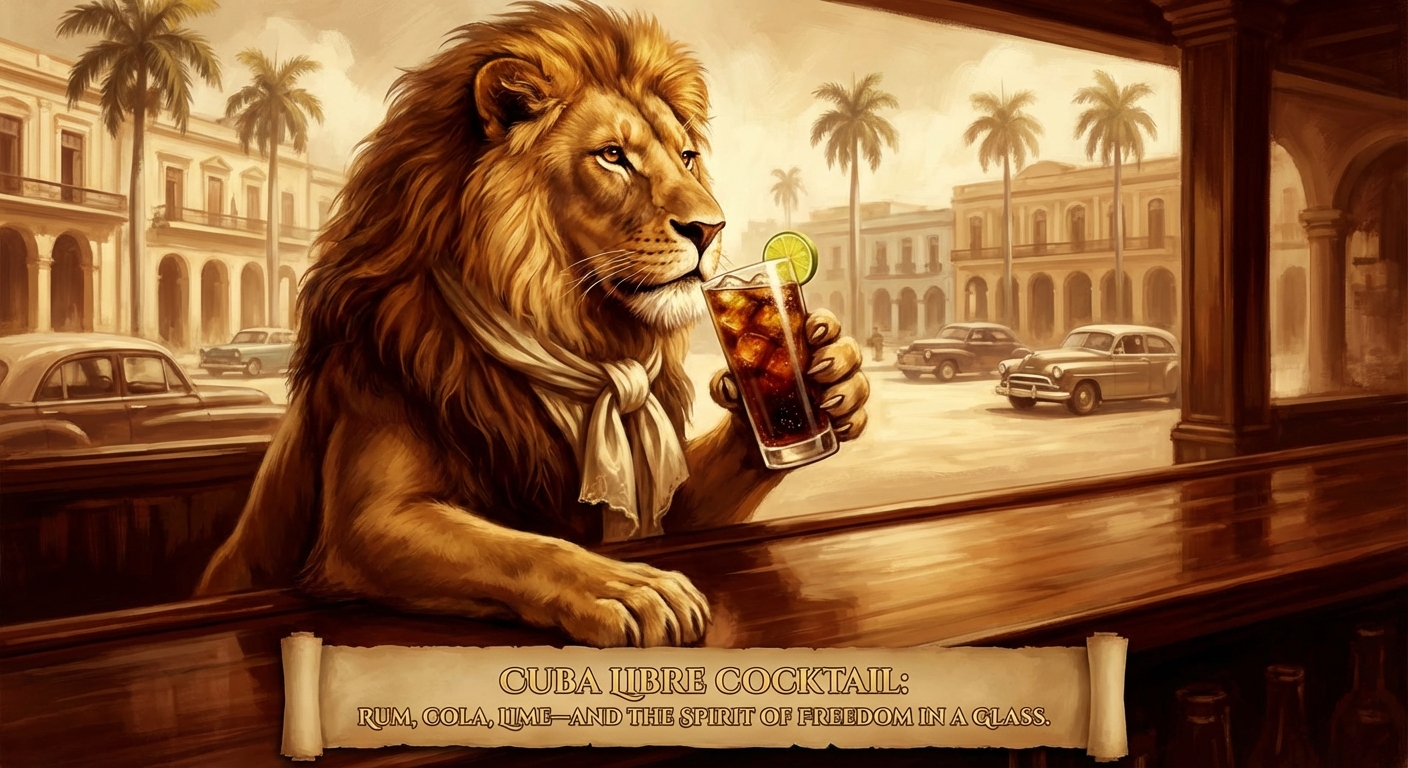
Its name translates to “Free Cuba,” and while the modern Cuba Libre is a global bar staple, it still carries an echo of toast-worthy optimism. If you’ve ever wondered why the lime matters, which rum actually works best, or how to keep it from tasting flat and syrupy, this is the deep pour.
What Makes a Cuba Libre Different From Rum & Cola?
At a glance, the Cuba Libre and a standard rum-and-cola look identical. The difference is intention: a Cuba Libre is built around fresh lime and balance. The citrus isn’t optional garnish—it’s the structural element that keeps cola’s sweetness from dominating and helps the rum’s aroma pop.
1. The Lime Is the “Liberation”
Lime brings acidity, essential oils, and a clean finish. Without it, cola can read as sticky, and rum can disappear into sugar and fizz. With it, the drink becomes crisper and more refreshing, with a brighter nose and a more defined rum character.
2. Built, Not Shaken—But Still Crafted
A Cuba Libre is a highball: it’s built in the glass to preserve carbonation. The craft comes from temperature control, ice quality, and choosing a rum that can speak clearly through cola.
3. Balance Over Booze
The best versions don’t chase maximum rum or maximum cola—they aim for lift. You should taste rum first, cola second, and lime throughout, with a finish that invites another sip.
A Quick Origin Story: Why It’s Called “Cuba Libre”
The most repeated origin story places the drink in early-1900s Havana, around the period following the Spanish–American War, when Cuba’s political future was the subject of passionate conversation and public toasts. American-style cola was newly popular, rum was plentiful, and a squeeze of lime made the mix sing. The toast—“¡Por Cuba libre!”—gave the cocktail its enduring name.
Whatever details are debated, the larger truth stands: the Cuba Libre became famous because it’s easy, satisfying, and scalable—a drink that works at a bustling bar, a beach cooler, or a backyard gathering.
How to Make a Proper Cuba Libre (With Pro-Level Results)
1. Choose the Right Glass and Ice
Use a highball or Collins glass. Fill it all the way with ice—counterintuitive, but important. More ice means less dilution over time and a colder drink, which keeps cola sharper and aromas cleaner.
- Best ice: clear cubes or “hotel ice” (medium cubes)
- Avoid: crushed ice unless you want faster dilution and a softer cola profile
2. Use Cold Cola—And Protect the Bubbles
Cola should be very cold and freshly opened if possible. Flat cola makes a Cuba Libre taste heavy and overly sweet. Pour gently down the side of the glass and stir just once or twice—over-stirring drives off carbonation.
- Tip: If serving a group, keep cola bottles chilled and open them only when needed.
3. Squeeze Fresh Lime (Then Add the Wedge)
Fresh lime juice is non-negotiable if you want the “real” drink. Add the juice first so it integrates with the rum before cola goes in. Then garnish with a lime wedge and, if you like, express the peel over the glass to release aromatic oils.
- Shortcut that still works: a generous squeeze from a juicy wedge (but avoid bottled lime)
- Flavor tweak: more lime for a drier finish; less lime for a rounder, sweeter profile
Best Rum for a Cuba Libre: What to Use (and Why)
Rum choice is where your Cuba Libre becomes personal. Cola is assertive, so you need a rum that either complements it or contrasts it—without getting lost.
1. White Rum: Clean, Bright, Classic
White rum creates a crisp, easy-drinking Cuba Libre that highlights lime and carbonation. It’s the closest to the “light and lively” profile many people associate with the drink.
- Expect: light vanilla, citrus, soft sugarcane, minimal oak
2. Gold or Lightly Aged Rum: More Body, More Depth
A lightly aged rum brings subtle oak, caramel, and spice—great if you want the rum to stand up more clearly to cola’s sweetness. This is often the sweet spot for a “restaurant-perfect” Cuba Libre.
- Expect: gentle toffee notes, warm spice, a fuller mid-palate
3. Dark or Heavily Aged Rum: Rich, Dessert-Leaning
Darker rums can be delicious, but they push the drink toward a richer, rounder profile—sometimes approaching “cola-caramel” territory. If you go dark, increase lime slightly to keep the finish clean.
- Expect: molasses, baking spice, oak, sometimes smoke or dried fruit
Dialing In the Perfect Ratio
The “right” ratio depends on your rum proof, your cola sweetness, and how lime-forward you like it. A reliable starting point is 2 oz rum to 4–6 oz cola with 1/2 oz+ fresh lime. From there, adjust like a bartender:
- Too sweet: add more lime or reduce cola
- Too boozy: add a splash more cola (or use a lighter rum)
- Tastes flat: use colder ingredients, more ice, and fresher carbonation
Flavor Variations That Still Respect the Classic
The Cuba Libre is iconic because it’s simple—but it’s also forgiving. A few careful tweaks can add character without turning it into a different drink entirely.
1. Spiced Cuba Libre
Use a spiced rum or add a tiny pinch of grated nutmeg. Keep lime generous to prevent the spice from reading as “soda syrup.”
2. Bitters-Enhanced Cuba Libre
Add 1–2 dashes of aromatic bitters. It deepens the cola’s spice notes and makes the finish more grown-up, especially with lightly aged rum.
3. Extra-Aromatic Lime
Rim the glass lightly with lime peel oils (not salt), or clap the lime peel over the drink to perfume the top without adding more acidity.
Serving, Pairing, and When It Shines
A Cuba Libre thrives in moments that call for something refreshing, social, and uncomplicated. It’s a natural match for grilled foods, salty snacks, and citrusy appetizers, and it’s one of the easiest cocktails to batch in spirit form (rum + lime) and finish with cola to order.
- Great pairings: tacos al pastor, grilled chicken, plantain chips, Cuban sandwiches
- Best occasions: cookouts, casual parties, beach days, game nights
Summary
The Cuba Libre cocktail endures because it delivers more than the sum of its parts: rum for warmth, cola for spice-sweet comfort, and lime for clarity and lift. Made with plenty of ice, cold cola, and fresh citrus, it becomes a bright, balanced highball rather than a sugary fallback.
Whether you keep it classic with a clean white rum or add depth with a lightly aged bottle, the key is respecting the drink’s core idea: fresh lime and lively fizz—a small, sparkling nod to freedom in every sip.