
Ordering a drink in an Indian club usually comes down to one question at the bar: water or soda? Purists might want their pour neat, but the sweltering heat makes a mixer necessary for most of us. It is about making a heavy spirit drinkable when the mercury hits forty.
Getting the balance right helps you get your money’s worth from the bottle. Every dram reacts differently once you add a second element to the glass. This guide sets the two side by side, so you can see how fizz and dilution change the same whisky.
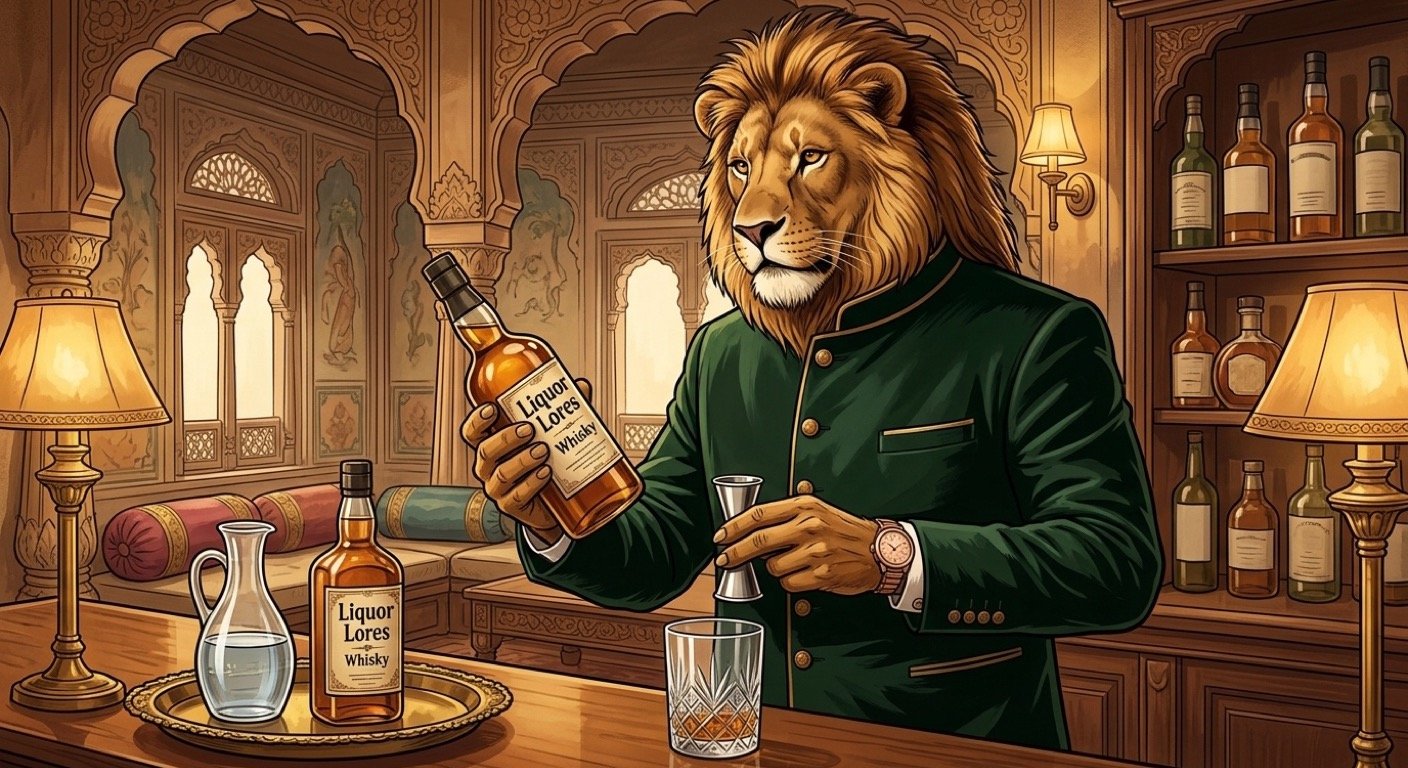
What Is the Whisky-Soda Tradition?
In India, adding a mixer is part of the furniture. Local drinkers rarely sip their spirits neat. The high temperatures and grain-heavy blends mean soda or water are standard tools to keep the drink refreshing.
1. The Highball Influence:
A whisky and soda is basically a version of the classic Highball. It uses carbonation to lift the heavier notes of the spirit. Adding soda dilutes the alcohol and adds a structural element that changes how the liquid hits your tongue.
2. The Preference for Refreshment:
In high humidity, water can sometimes feel flat. Soda provides a bite that cuts through the spice of Indian snacks. It turns a heavy spirit into a long, cooling drink you can enjoy for an hour without it feeling syrupy.
The History of the Chhota Peg
The “peg” is the everyday measure of Indian bars. Where the word came from is uncertain, but it was in use in the clubs of British India. It defines the volume of the spirit before you even touch a mixer.
1. Measuring the Peg:
A chhota peg is 30 ml, while a bara peg is 60 ml. These measures keep things consistent. Asking for a chhota peg simply means the smaller pour.
2. Evolution of Indian Spirits:
Historically, many Indian whiskies were molasses-based. These were rougher than malted grains and needed heavy dilution to be palatable. Even as we have moved toward Indian single malts, the habit of using a mixer has stuck.
What Makes Water Different from Soda?
The choice between soda and water is a choice between chemistry and physics. Water is a solvent that interacts with the whisky’s oils. Soda is a mechanical mixer that uses bubbles to carry scent molecules to your nose.
1. The Science of Dilution:
Adding a few ml of water releases molecules called esters. This is particularly true for single malt vs. blended Scotch whisky. Water lowers the alcohol sting, letting the tongue find the sweetness and fruit hidden by the ethanol.
2. The Mouthfeel of Soda:
Soda water contains carbonic acid, which adds a slight tang. This acidity can brighten a dull whisky. However, if the soda is too metallic or salty, it will clash with the oak. Choose a neutral, highly carbonated soda for the best results.
Comparing Side by Side: Whisky With Soda vs Water
To see the differences, look at how each mixer affects the senses. A professional tasting usually relies on water, but the social hour often needs the sparkle of soda.
| Feature | Description of Effect |
| Aroma Impact |
Water releases floral and fruity notes slowly. Soda pushes oak and spice scents toward the nose via bursting bubbles. |
| Texture |
Water creates a smooth mouthfeel. Soda provides a sharp sensation that cleanses the palate between sips. |
| Flavor Profile |
Water enhances grain sweetness. Soda adds a crisp acidity that can make smoky whisky taste leaner. |
| Temperature |
Whisky and water is often served at room temperature. Soda requires heavy ice to maintain carbonation. |
Best Whiskies for Each Mixer
Not every bottle survives a mixer. A delicate highland malt might disappear in a sea of bubbles. Conversely, a punchy peated spirit can become overwhelming when diluted only with a splash of still water.
1. Peated and Smoky Malts:
Smoky whiskies often do well with soda. Carbonation stretches out the medicinal and salt notes, making them more approachable. If you use water, the smoke can feel heavy—like wet soot. Soda keeps it coastal and bright.
2. Sherry Cask and Rich Spirits:
Whiskies aged in sherry wood have dark fruit and chocolate notes. These are better with a few drops of water. Soda can make these rich flavours taste thin. Water preserves the weight of the spirit while stripping away the alcohol heat.
How to Pour the Perfect Ratio
Your ratio decides if you are tasting the whisky or just a flavoured soft drink. In India, social pours are much more diluted than a distillery flight. Accuracy matters for a consistent drink.
| Step | Description |
| The Spirit |
Measure exactly 60 ml of whisky into a glass. Using a jigger prevents the “heavy pour” that ruins the balance. |
| The Dilution |
|
| The Temperature |
If using soda, fill the glass with ice first. For water, avoid ice to catch the aromas of a high-end malt. |
| The Stir |
Give the drink a single, gentle turn with a spoon. Over-stirring soda will leave the drink flat. |
Quick Summary: Which Is Better?
There is no single winner. It depends on your environment and what is in your glass. If you are sitting down for a meal, water is usually the better partner for your palate.
| The Scenario | Recommended Choice |
| Premium Single Malts |
Choose water. Add it drop by drop until the burn vanishes and the aroma opens up. |
| Everyday Blended Whisky |
Choose soda. The fizz masks imperfections in younger spirits and makes for a refreshing long drink. |
| Hot, Humid Afternoons |
Choose soda with plenty of ice. A long, cold, fizzy drink is simply more pleasant in the heat. |
Frequently Asked Questions
1. Does soda change the flavor of expensive whisky?
Soda does not ruin the flavour, but the bubbles can mask delicate notes. For very old spirits, carbonation often interferes with the subtle wood and fruit profiles you paid a premium for.
2. How much water should I add to open up a whisky?
Start with just 5 ml of water. This is often enough to bring out hidden aromas. You can always add more, but you cannot take it out once mixed.
3. Why do so many people in India prefer soda?
The preference for soda in India is driven by the climate and a history of grain-heavy blends. Soda makes the drink more refreshing in the heat and provides a sharp contrast to spicy food.
Whether you reach for the blue siphon or the water carafe, the goal is to make the whisky work for you. Try your favourite bottle both ways to see which one brings out the notes you enjoy. Pour it carefully, sip it slowly and decide for yourself.