
The Sazerac is one of America’s oldest recorded cocktails, born in mid-nineteenth-century New Orleans. A solid sazerac recipe demands straightforward technique: high-proof rye whiskey, sugar, bitters, and a cold glass washed in anise spirit. Served neat in a chilled glass, it brings a sharp burst of herbal aroma right ahead of deep grain spice.
Drinkers often compare it to The Old Fashioned, but this New Orleans classic relies on a very different ritual. That thin coat of absinthe forms a fragrant barrier layer that lifts the spirit without sweetening it. We prefer using a stiff 100-proof rye here—it cuts straight through the botanical backdrop without getting lost.
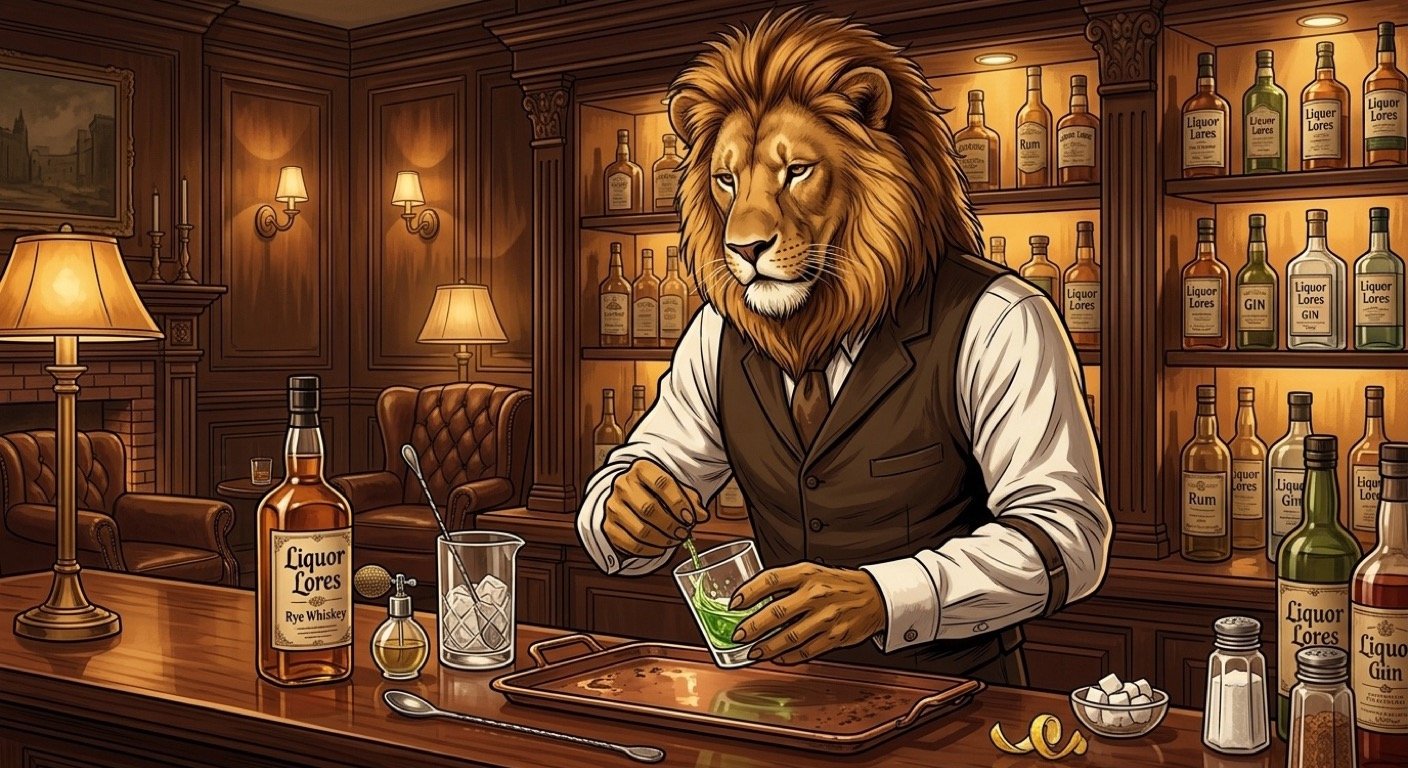
What Is a Sazerac Cocktail?
A classic Sazerac is a stirred, spirit-forward cocktail made from rye whiskey or cognac, simple syrup, Peychaud’s Bitters, and an absinthe rinse. You build it using two separate glasses: one mixing glass to chill the drink, and one chilled rocks glass lined with absinthe to receive the strained liquid.
Don’t put ice in the finished glass. Leaving ice in there dilutes the precise weight of the syrup and softens the crisp bite of the absinthe wash. Expressing a strip of lemon peel over the rim supplies immediate citrus aromatics to the nose.
The History and Evolution of the Sazerac
Antoine Amédée Peychaud, a Creole apothecary in New Orleans, started mixing French brandy with his proprietary bitters around 1838. By the 1850s, the Sazerac Coffee House was serving this mix using Sazerac de Forge et Fils cognac, establishing the cocktail’s name across the city.
When phylloxera wrecked French vineyards in the late nineteenth century, cognac supplies collapsed. Local bartenders switched to American rye whiskey, setting the baseline we use today. The Renaissance of Absinthe later restored the traditional rinse after decades of bans forced recipe adjustments across American bars.
How to Make the Classic Sazerac Recipe
Executing this drink properly demands speed and cold glass. Keep your rocks glass in the freezer before starting so the spirit rinse clings tightly to the inner glass walls instead of pooling at the bottom.
| Component | Measurement & Details |
| Rye Whiskey |
60 ml rye whiskey (preferably 50% ABV / 100 proof) |
| Sweetener |
7.5 ml simple syrup (or 1 sugar cube crushed with 5 ml water) |
| Bitters |
4 dashes Peychaud’s Bitters and 1 dash Angostura bitters |
| Rinse |
7.5 ml absinthe (or herbsaint) for coating the glass |
| Garnish |
1 strip lemon peel (expressed over glass, then discarded or placed) |
| Step | Description |
| 1. Chill and Rinse |
Fill an old fashioned glass with cracked ice and water to chill, or pull one from the freezer. Pour in 7.5 ml absinthe, swirl to coat the interior completely, and discard the excess liquid. |
| 2. Mix Spirits |
In a mixing glass, combine 60 ml rye whiskey, 7.5 ml simple syrup, 4 dashes Peychaud’s Bitters, and 1 dash Angostura bitters. Fill with clear mixing ice. |
| 3. Stir and Strain |
Stir smoothly with a long bar spoon for 30 seconds until thoroughly chilled. Strain the liquid into your prepared absinthe-rinsed glass without adding fresh ice. |
| 4. Finish |
Express the essential oil from a lemon peel over the surface of the cocktail. Rub the peel gently around the rim and drop it into the glass. |
What Makes a Great Sazerac Recipe?
This classic recipe relies entirely on subtle balance. Small adjustments to temperature, spirit strength, and glass preparation alter the flavor in the glass.
1. The Absinthe Rinse Technique:
Do not leave excess absinthe pooling at the bottom. Swirl it quickly, coat every millimeter of glass, and dump the extra. An atomizer spray bottle works exceptionally well for an even mist.
2. Choosing the Right Bitters:
Peychaud’s Bitters provides essential cherry and anise notes along with a bright red color. Adding a single dash of Angostura builds depth. Explore our Cocktail Bitters Guide to understand how these aromatics interact.
3. Whiskey Selection and Proof:
Low-proof whiskey collapses under dilution and sweetness. Use a spicy rye bottled at 45% to 50% ABV to maintain distinct pepper, oak, and grain notes throughout your sip.
Sazerac Variations and Substitutions
Bartenders regularly adjust this structure to highlight different historical periods or flavor preferences while keeping the essential ritual intact.
1. French Cognac Sazerac:
Substitute 60 ml VSOP cognac for rye whiskey. This creates a rounded, velvety drink with floral fruit notes, soft oak spice, and a smoother finish.
2. Split-Base Sazerac:
Combine 30 ml rye whiskey and 30 ml cognac. This hybrid approach captures the rich dried-fruit depth of brandy while retaining the aggressive grain punch of American rye.
3. Herbsaint Alternative:
If absinthe is unavailable, use Herbsaint, an anise-flavored liqueur developed in New Orleans during Prohibition. It delivers a punchy licorice aroma with minimal sweetness.
Frequently Asked Questions
Here are practical solutions to common questions drinkers ask when building a Sazerac recipe at home.
1. Why is there no ice in a Sazerac glass?
A Sazerac is served neat in a chilled glass so ice melt does not over-dilute the bold whiskey and subtle absinthe coating. Pre-chilling the cocktail in a mixing glass ensures coldness without excess water dilution.
2. Can I use bourbon in a sazerac recipe?
You can use bourbon, but rye whiskey remains the traditional choice. Bourbon’s sweet corn profile softens the cocktail significantly, whereas spicy rye cuts cleanly through the sweet syrup and heavy herbal anise notes.
3. What is the difference between an Old Fashioned and a Sazerac?
An Old Fashioned uses bourbon or rye with Angostura bitters served over ice. A Sazerac uses rye or cognac, red Peychaud’s bitters, an absinthe glass rinse, and is always strained into a glass without ice.
Quick Summary: Master the Sazerac
Keep these core elements in mind whenever mixing this New Orleans staple at home or behind the bar.
| Feature | Key Detail |
| Base Spirit |
High-proof American rye whiskey (or VSOP cognac for original style) |
| Aromatic Coating |
Absinthe or Herbsaint glass rinse, thoroughly dumped before pouring |
| Primary Bitters |
Peychaud’s Bitters (with an optional single dash of Angostura) |
| Serving Style |
Stirred over ice, strained neat into a chilled rocks glass with lemon peel |
The Sazerac works because it lets simple, strong ingredients work in harmony. By taking time to chill your glass and discard the excess absinthe, you preserve a century of New Orleans bartending tradition. Reach for a punchy 100-proof rye, stir with ice, and enjoy a drink that is direct, warm, and wonderfully aromatic.