
| Step | Description |
| Ingredients |
|
| Ratio |
|
| Preparation |
|
The Cuba Libre is the kind of cocktail that looks deceptively simple—rum, cola, lime—yet rewards the drinker who pays attention to balance. Done right, it’s crisp, lightly spiced, and citrus-bright, with rum’s caramel and tropical notes cutting through cola’s sweetness.
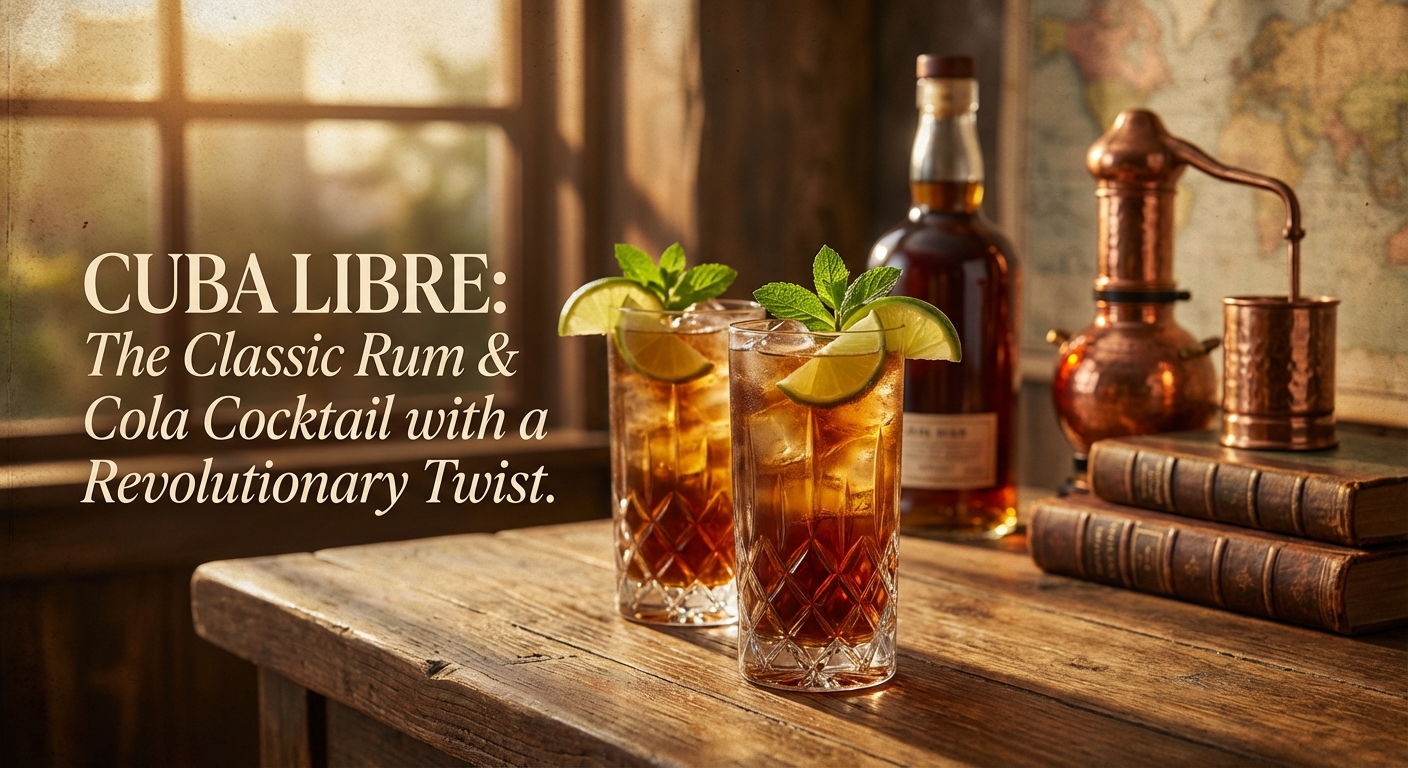
It’s also a drink with a story: a highball that became a symbol, a toast, and a global staple. Whether you’re making it at home or ordering at a bar, mastering the Cuba Libre comes down to fresh lime, proper dilution, and choosing a rum that plays well with cola rather than disappearing into it.
What Is a Cuba Libre, Exactly?
1. The Core Identity:
A Cuba Libre is often described as “rum and Coke,” but the defining feature is fresh lime. That squeeze of citrus lifts the drink, adds aroma, and sharpens the finish so it doesn’t drink like a glass of soda.
In structure, it’s a highball: spirit + carbonated mixer + ice, built in the glass. The best versions taste refreshing and integrated, not syrupy or flat.
2. Flavor Profile:
Expect a balance of cola sweetness, rum’s vanilla/caramel/molasses notes, and a bright lime snap. The rum choice can shift the profile dramatically—from clean and light to oaky and spicy.
3. Cuba Libre vs. Rum & Cola:
- Lime is not optional if you want a true Cuba Libre.
- A Cuba Libre typically aims for brighter acidity and a slightly drier finish.
- Better ice and fresh carbonation matter more than you’d think in such a simple build.
The Origin Story: Why It’s Called “Free Cuba”
1. The Popular Legend:
The most repeated story places the drink in early-1900s Havana, after the Spanish-American War, when American soldiers and Cuban locals reportedly mixed rum with newly popular cola, then toasted with “¡Por Cuba Libre!” (“For a free Cuba”). While the exact details are debated, the cultural timing makes sense: Cuban rum, American cola, and a political slogan meeting in one glass.
2. How It Became a Global Standard:
Regardless of the precise origin, the Cuba Libre spread quickly because it’s approachable, scalable, and consistent. Rum brands and cola brands helped cement it worldwide, and it remains one of the most ordered rum highballs on the planet.
How to Make the Perfect Cuba Libre (Bar-Quality at Home)
1. Ingredients That Actually Matter:
With only three components, quality shows immediately. Aim for fresh lime, cold cola, and rum with character.
- Rum: Light, gold, or aged all work; choose based on the flavor you want.
- Cola: Use a cola you enjoy on its own, and make sure it’s freshly opened.
- Lime: Fresh wedges only—bottled lime tastes flat and can read metallic.
- Ice: Large, dense cubes melt slower and keep carbonation lively.
2. Classic Ratio (and How to Adjust):
A reliable starting point is 2 oz rum to 4–6 oz cola with 1–2 lime wedges squeezed. Prefer it boozier and less sweet? Reduce cola and add a bigger squeeze of lime. Want it lighter and more sessionable? Keep rum at 1.5 oz and top with more cola.
3. Step-by-Step Preparation:
Use a highball (or Collins) glass for best aroma and bubbles.
- Fill the glass completely with ice.
- Add rum (typically 1.5–2 oz).
- Squeeze in 1–2 lime wedges and drop one in.
- Top with cold cola.
- Give a gentle, brief stir (over-stirring kills carbonation).
- Garnish with a lime wedge or wheel.
4. The “Small Upgrades” That Make a Huge Difference:
- Chill everything: Cold rum and cold cola preserve fizz and reduce needed ice melt.
- Use more ice than you think: A packed glass melts slower than a half-filled one.
- Express lime oils: Lightly squeeze the peel over the top for extra aroma.
- Don’t drown the rum: If it tastes like cola first, increase rum slightly or use a more flavorful rum.
Choosing the Best Rum for a Cuba Libre
1. Light/White Rum:
Light rum makes a cleaner, brighter Cuba Libre where lime pops. It’s ideal if you want the drink crisp and easy, though it can get “too soft” if paired with very sweet cola. Consider bumping lime or choosing a white rum with a bit more character.
2. Gold Rum:
Gold rum is a natural match: a little more vanilla, caramel, and spice to stand up to cola. If you’re looking for a “classic bar taste,” this is often the sweet spot.
3. Aged Rum:
Aged rum adds oak, dried fruit, and deeper molasses notes, turning the Cuba Libre into something more contemplative while still refreshing. Keep the cola slightly lower so the rum isn’t masked, and make lime non-negotiable to keep it from feeling heavy.
4. Funky or Pot-Still Styles:
High-ester rums (often associated with Jamaican styles) can create an intensely aromatic Cuba Libre—ripe banana, pineapple, and spice colliding with cola. It’s delicious if you like bold flavors, but start with a smaller pour until you find your balance.
Variations and Tweaks Worth Trying
1. Spiced Cuba Libre:
Use a spiced rum or add a tiny pinch of ground spice (like cinnamon) on top. Keep it subtle—cola already carries spice notes.
2. “Cuba Libre Especial” Style:
Many drinkers prefer a slightly drier, more aromatic build: use a more flavorful rum, squeeze more lime, and keep cola closer to the 3:1 end of the ratio.
3. Bitters Boost:
Add 1–2 dashes of Angostura bitters. This amplifies baking spice, adds complexity, and can make a standard Cuba Libre taste more “cocktail” than “mixed drink.”
4. Cola Alternatives (If You Want to Experiment):
- Mexican-style cola (often cane sugar) for a rounder sweetness
- Craft cola for more spice and citrus peel notes
- Cola + soda splash to lighten sweetness while keeping the cola aroma
Common Mistakes (and How to Avoid Them)
1. Skipping Fresh Lime:
Without lime, the drink becomes one-dimensional. Fresh lime provides acidity, aroma, and a cleaner finish.
2. Using Flat Cola:
Carbonation is part of the texture. Use freshly opened cola and avoid over-stirring.
3. Too Little Ice:
Under-icing causes faster melt and watery flavor. Pack the glass and let the drink stay cold and lively.
4. Choosing a Rum That Disappears:
If the rum’s flavor vanishes, either increase rum slightly, reduce cola, or switch to a more characterful style (gold or lightly aged).
Summary
The Cuba Libre cocktail endures because it’s simple, refreshing, and surprisingly nuanced: rum’s warmth, cola’s spice-sweet body, and lime’s bright edge in one highball. The secret isn’t complexity—it’s fresh lime, cold carbonation, proper ice, and a rum that can stand its ground.
Start with a classic 1:3–1:4 rum-to-cola ratio, squeeze in real lime, and make small upgrades like better ice and a thoughtful rum choice. With those details dialed in, the Cuba Libre stops being “just rum and Coke” and becomes what it’s always promised to be: a crisp, spirited toast in a glass.