
| Step | Description |
| Ingredients |
|
| Ratio |
|
| Preparation |
|
The Aperol Spritz is one of the most photographed cocktails on earth—and somehow still feels personal. It’s a paradox: a drink that’s globally standardized yet intensely tied to place, mood, and moment. You can order it in a rooftop bar in New York, a beach club in Barcelona, or a bacaro in Venice and it still signals the same thing: pause, soften the day, begin the evening.
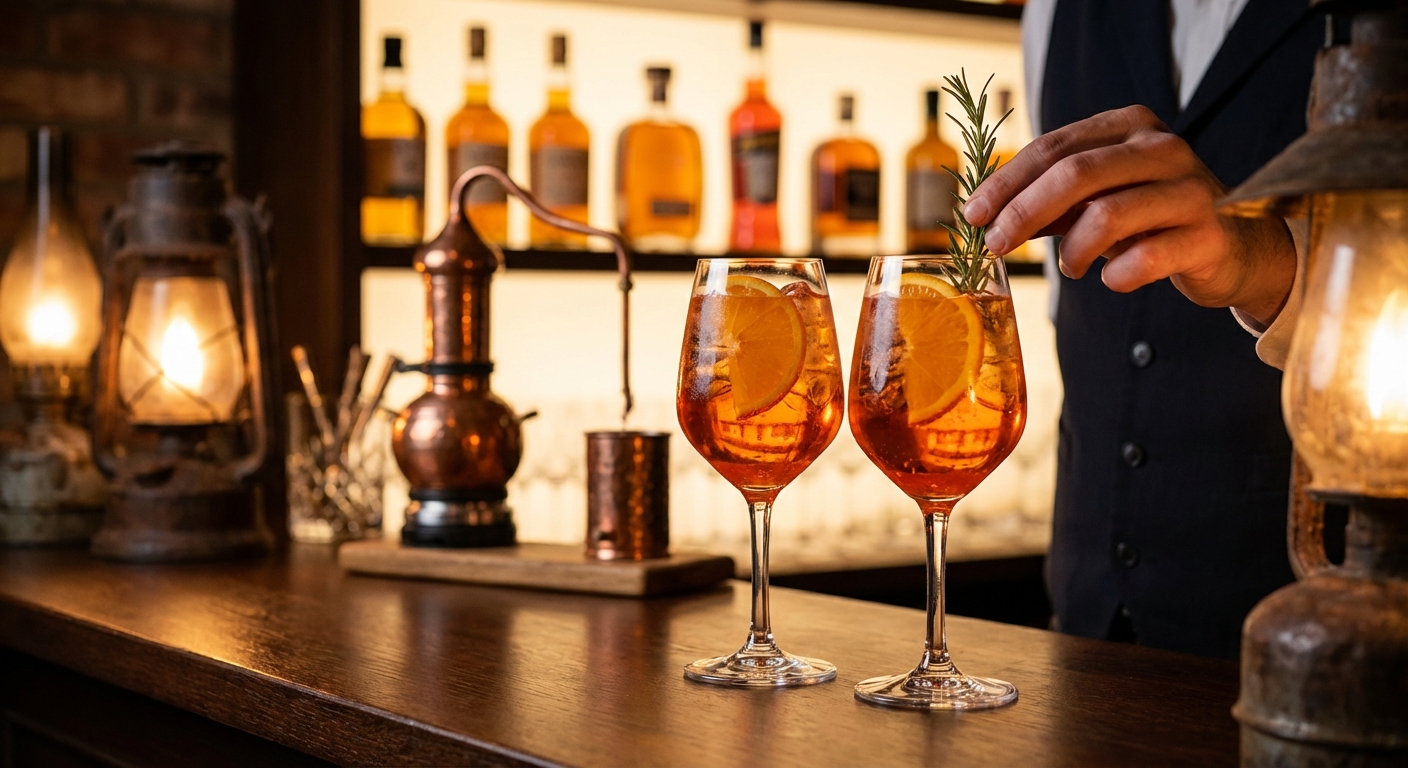
But why does such a simple highball carry so much magic? The “mystery” of the beloved Aperol Spritz isn’t just marketing or aesthetics. It’s history, bitterness, bubbles, color psychology, and ritual—stacked so neatly in a glass that it feels inevitable.
Where the Spritz Comes From (and Why It Was Inevitable)
1. The original “spritz” wasn’t a cocktail:
Before Aperol was involved, “spritz” referred to a practical habit in northeastern Italy. In regions influenced by the Austro-Hungarian Empire, some drinkers found local wines a bit too strong or intense and would “spritz” (splash) them with water. This created a lighter, longer drink suited for warm afternoons and social sipping.
That’s the first clue to the Spritz’s lasting appeal: it was designed for pacing. Not a quick hit—an experience that stretches.
2. Aperol’s invention added the missing identity:
Aperol was created in 1919 in Padua by the Barbieri brothers, built around a gentler bitterness than many amari, with bright citrus and herbal notes. The modern Aperol Spritz rose as sparkling wine culture expanded and aperitivo rituals became a lifestyle export. The drink didn’t just taste good—it fit the Italian pre-dinner social code perfectly: low-ish alcohol, appetite-awakening bitterness, and a look that says “stay awhile.”
3. The Prosecco era made it global:
As Prosecco became widely available internationally, the Spritz gained a reliable backbone: crisp bubbles, orchard fruit, and an approachable price point. Add Aperol’s iconic hue and suddenly you have a cocktail that is not only easy to make, but easy to recognize across languages.
The Flavor Puzzle: Why Bitter + Bubbly Works So Well
1. Bitterness that doesn’t punish:
Aperol’s bitterness is intentionally friendly. Compared to Campari, it’s softer, rounder, and sweeter—more orange peel than pith, more herbal lift than medicinal bite. That “almost bitter” quality is key: it intrigues new drinkers without scaring them off, and it keeps experienced palates from getting bored.
2. Carbonation acts like a spotlight:
Bubbles don’t just refresh—they amplify aroma. Prosecco’s sparkle lifts Aperol’s citrus and botanicals upward, so the drink seems more fragrant than its ingredient list suggests. The soda splash isn’t filler either; it opens the palate, stretching flavors while keeping the finish clean.
3. The drink is engineered for the first sip:
The Aperol Spritz is front-loaded with charm: cold glass, bright scent, immediate citrus, then a tidy bitter edge. That first sip is an invitation, not a challenge. And because the structure is light, you can keep sipping without fatigue—one reason it thrives in social settings where conversation matters as much as taste.
The Visual Spell: Color, Glassware, and the “Aperitivo Effect”
1. Orange is a flavor cue and a mood cue:
That glowing orange isn’t just pretty—it signals citrus, sunshine, and ease before you taste anything. Humans form expectations from color, and the Spritz’s hue implies refreshment and gentle sweetness. In other words, it pre-sells the experience.
2. The garnish is doing real work:
An orange slice looks simple, but it also reinforces aroma with every sip. Expressed oils from the peel (even lightly) connect your nose to the drink’s core story: citrus and herbs, not sugar and booze.
3. Ritual makes it feel “special” without being complicated:
Pouring Prosecco over ice, adding Aperol, finishing with soda—this sequence is easy, but it feels like a ceremony. The Aperol Spritz is a rare cocktail where the act of making it is almost as relaxing as drinking it.
How to Make a Perfect Aperol Spritz (Without Overthinking It)
1. Respect the 3-2-1 ratio, then adjust with intent:
The classic formula—3 parts Prosecco, 2 parts Aperol, 1 part soda—is popular because it balances sweetness, bitterness, and fizz. If you want it drier, reduce Aperol slightly or choose a brut Prosecco. If you want it softer and longer, add a touch more soda.
- Drier finish: Use brut Prosecco and a smaller Aperol pour.
- More aromatic: Use a large orange slice and gently stir once.
- More refreshing: Increase soda a little and use plenty of ice.
2. Choose the right Prosecco (it matters more than people admit):
Aperol is consistent; Prosecco varies. Look for crisp acidity and clean fruit—green apple, pear, citrus. Avoid overly sweet bottles, which can make the drink cloying. When in doubt, a widely available brut Prosecco is the safest match.
3. Ice is an ingredient, not an accessory:
The Spritz should be icy cold. Warmth makes sweetness louder and bitterness blunter—exactly the opposite of what you want. Fill the glass generously with ice to keep dilution slow and texture snappy.
Variations, Debates, and the Real Reason People Argue About It
1. Aperol vs Campari Spritz:
This debate is really about bitterness tolerance. A Campari Spritz is sharper, darker, more adult in its bitterness and less candy-citrus. Aperol is softer, brighter, and easier to drink. Neither is “better”—they simply serve different moods.
- Choose Aperol if you want bright, lightly bitter, easy sipping.
- Choose Campari if you want bold bitterness and a drier impression.
2. The “authenticity” question:
Some call it overhyped. Others treat it like a sacred aperitivo staple. The truth is the Aperol Spritz is both: a branded global icon and a genuinely functional drink. Its purpose is not complexity—it’s social lubrication without intoxication, flavor without heaviness, and a sense of occasion without formalities.
3. Why it’s loved (even when people say they don’t love it):
The final layer of the mystery is that the Spritz is often chosen for what it represents: a slower tempo. Even skeptics end up ordering one because it fits the time of day, the temperature, the company, and the desire to keep things light.
Summary
The mystery of the beloved Aperol Spritz isn’t hidden in secret ingredients—it’s hidden in plain sight. It’s a drink born from practicality, refined by aperitivo culture, and perfected for modern life: low-stakes, beautiful, aromatic, and gently bitter in a way that keeps you reaching for another sip.
When you combine a simple 3-2-1 build with bright citrus, lively bubbles, and an unmistakable orange glow, you get more than a cocktail. You get a ritual—one that tastes like a pause button, wherever in the world you press it.